by Tommy Smith | Aug 9, 2017 | PERSONAL SAFETY TIPS
America, it’s tax time! Did you know the IRS considers Georgia to be one of the top three states for tax return fraud? The IRS reports over 3 million tax payer accounts are hacked each year. They have doubled their manpower to protect tax payers from tax payer frauds. Once the thief gets your IRS information, they can use it to steal your identity for loans, and opening new credit card accounts.
What can you do to protect your tax returns from being hacked?
Be selective about who does your taxes. Make sure it is someone that has good reference from friends or family.
Watch for scams. At tax time people call or search your social media sites for information they can use to steal your identity. These people pretend to be IRS agents or representatives of tax software companies to get your information. The IRS never call on the phone for information!
Change your passwords often. When you use common passwords for places like financial institutions, credit cards or even your IRS account, it allows broad access to these accounts once your password is cracked. Passwords should be long and include a mix of numbers, letters, and symbols.
Check your credit report frequently. This is one of the simplest precautions you can use to prevent tax payer fraud. You can access three free credit reports a year on www.AnnualCreditReport.com.
It is recommended to file your returns early so you can beat the scammers to the punch.
Never put your tax returns in your mailbox. Put them in a postal box or hand them directly to a postal worker. E-filing is the most secure option for filing your taxes.
Conclusion
Follow the above tips to keep your tax returns more secure. If your tax returns are hacked, be patient. The IRS says the typical case of identity theft takes 120 days to resolve. A credit fraud can be a lifelong problem for identity theft victims.

by Tommy Smith | Aug 9, 2017 | PERSONAL SAFETY TIPS
Spring break is a rite of passage for many college students. You want to make these spring events to be memorable rather than having tradegic consequences.
Here are some basic security tips for spring break from “safespringbreak” and Fastweb college life.
Travel Safety
Make sure that whoever will be driving has a valid driver’s license. Be sure you are aware of exactly how to get to your destination and how to get back. Do you have a map if your cell phone is not working? Whoever sits in the passenger’s seat should stay awake to keep the driver company. Accidents are very easily caused by the driver falling asleep at the wheel.
If you’ll be traveling out of the country, you’ll need a passport and possibly a visa. Make sure that you know exactly what documents you’ll need.
Money and Valuables Safety
If you can, always use the ATM at the hotel where you’ll be staying. If there isn’t one available there, always choose one in a well-lit location and go with a group. You’ve heard this a million times, but always cover your pin number while you type it in!
Make sure you check your bank account regularly. You never know who may be lurking nearby waiting to try to take advantage of you. Check all the charges on your statement for legitimacy.
If you’re going to be traveling overseas, tell your bank at home where you’ll be going. If you don’t, they may see foreign charges and shut down your card, which leaves you in another country with no money.
Don’t wear or bring a lot of flashy luxury items. Especially overseas, lots of jewelry and expensive things attract attention. Anything valuable should be locked in a hotel safe during the day. Never leave your purse unattended.
Beach Safety
Make sure you know the flag system used by beaches. A red flag means you need to stay out of the water because of rip tides and dangerous currents. Yellow means to use extreme caution because there could be dangerous currents present, and blue means that the water is safe (but definitely doesn’t mean throw caution to the wind) Swim only in designated swim areas.
As much as you hated hearing this from your mom as a kid, you really do need to wear sunscreen and reapply every couple of hours. Believe me, vacationing stops being fun if you fry yourself.
Drinking
Do everyone a favor, especially yourself, and party smart. Be responsible. Decide before you go out what your limits should be. When you are sober making clear-headed decisions is the best time to consider what you feel your personal boundaries should be. Do I want to drink tonight? If so, how much? Deciding up front will make it easier for you later to make choices that you will be happy with after the party is over.
Sexual Activity
.
First, don’t believe the hype about our hook-up culture. Not everyone is hooking up. Choices to have sex or not to have sex are extremely personal and shouldn’t be influenced by anyone’s mandates but your own. Know what consent is and respect it for all forms of intimacy. Silence NEVER equals consent. Consent can never be implied or assumed regardless of any previous history of sexual contact. No matter what a person verbalizes, consent can never be given when a person is severely intoxicated or impaired or at any point in the encounter after the person has said NO.
Conclusion
Always know where you and your friends are going and how you’re going to get back safely. Stay in a group, and always walk with purpose. People who look lost are easy targets. Most of all, be smart and have fun. Safety isn’t about being paranoid your entire vacation, it’s about having the best time possible while staying out of trouble. Odds are, you’ll return home with a load of great stories and be excited to do it all over again next year!

by Tommy Smith | Aug 9, 2017 | HOME SECURITY TIPS
Spring break is here! Its a time when many families take a vacation with their children. While the focus is on family fun, you don’t want to come back home to find you are a victim of a house burglary.
I am sure you have a routine to make your home secure while you are away on spring break. Below are some overlooked suggestions from the police department on ways to make your home more during a spring break vacation.
Use a trusted neighbor for more home security. Let the trusted neighbor know your plans. Have them pick up any packages or stuff left at your front door. Have them stop by periodically to check on your home and open the drapes. They can shovel your snow or cut the grass to be make your home look like people are home.
There is a tendency to leave an outside light on while you are gone. Having an outside lights on 24 hours is a good sign that no one is home. Install motion detector lights or dusk till dawn lights on the outside of your home.
Secure your garage doors by padlocking your door. Automatic garage doors can be made inoperable by unplugging it from the electric outlet or by using a vacation switch on the control box.
Do not leave valuables where they can be easily seen from the windows. Certain valuables can be put in a safety deposit box or taken to a relative or friend’s house for safekeeping.
Set your telephone ringer on low volume. A loudly ringing, unanswered phone is a sure sign no one is home.
Have a neighbor park in your driveway.
Do not let your travel plans be widely known on social media. Thieves use social media sites to target potential homes.
Cover your garage windows to prevent anyone from seeing the contents of your garage or looking to see if your vehicle is gone.
Have a neighbor or relative put your garbage out on pick up days.
Conclusion
Follow the above overlooked tips to make your home more secure during a spring break vacation. If you use a neighbor to help with your home security, pick them up a special treat from your spring break or return the favor when they go on vacation.

by Tommy Smith | Aug 9, 2017 | HOME AUTOMATION, Home Security Cameras, HOME SECURITY TIPS
Residential robberies account for 70% of the burglaries in the United States according to National Statistics. Statistics also show that homes without home security security alarm systems are around 3 times more likely to be burglarized than houses along with security alarm systems. Yet only 20% 0f the homes in the US have a home security system.
The problem with traditional hard wired home security systems is that arming the system is easy to forget. People stop using their systems. New technology changes the playing field.
Here are some of the latest technology for improving home security systems that makes it easier for you the home owner.
Within the wireless alarm techniques, (WIFI) the components of the home security system sends signals over the airwaves. Sensors like carbon monoxide and smoke detectors can be incorporated into the main alarm. There is not need to run cables and lines through your existing walls.
With a wireless system you can arm your home security from your car or anywhere. No need to give out codes or punch buttons.
You can get email alerts every time your front door is opened.
You can open the door for your children when they come home from school right from your workplace or any phone.
You can get video clips from a camera watching your door.
Security camera are part of the new home security technology. Today the presence of cameras has become common place. You can even check your cameras from your phone.
Conclusion
With today’s wireless technology and mobile apps, you can add more security to your home with far less effort. Want more information about wireless home security systems? Give us a call and let us explain your options for using technology to improve security with your Atlanta home.
by Tommy Smith | Aug 9, 2017 | HOME SECURITY SYSTEMS
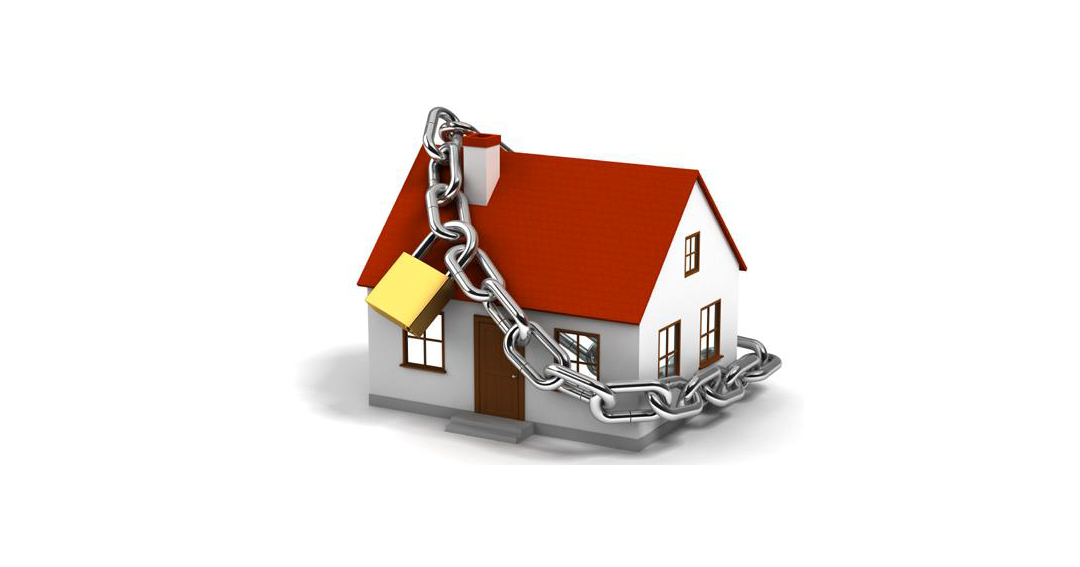
ou have many choices when it comes to selecting a home security company for your Atlanta home. With so many choices, it can be a confusing decision. Here are some useful tips from USA Today on questions you should ask before you select a home security company.
TIPS ON HOME-SECURITY SYSTEMS:
There are thousands of security companies to choose from, including big and small players. If you’re shopping for an interactive system, here are some questions that industry experts suggest asking:
• Are there any hidden fees? Some companies advertise free basic equipment — such as door sensors and motion detectors — but their activation fees wipe out any savings. Some companies also advertise low-price systems that are really too small to do the job. The extra cost to add the needed equipment can be substantial.
• How much of the system works off cellular networks vs. traditional telephone lines or the Internet? With systems that are cellular-based, or at least have cellular coverage as a backup, they’ll continue to work even if thieves cut phone and Internet lines. (Alarm systems have backup battery power so they keep working even if the power goes out.)
• Does the system have 24/7 professional monitoring? That means dedicated personnel in a dispatch center who monitor systems around the clock and alert homeowners to problems and, if needed, call the police. Some companies sell security systems that don’t include professional monitoring.
• What length contract is required? Typically, companies require customers to sign up for three to five years. As with cellphone service, there are early-termination fees. They vary by company and by state.
• How much does a maintenance call cost? Free maintenance isn’t necessarily part of your monthly bill. Find out how much home-maintenance visit costs.
Conclusion
These are important questions to ask in selecting a home security provider. Protection Concepts has you covered on all of these questions. We require no long term contracts, no hidden fees, we have WIFI options, we have 24/7 monitoring and we take care of the maintenance on your system. Give us a call and learn why we are a top choice for home security company in the Atlanta area.